
Hello!
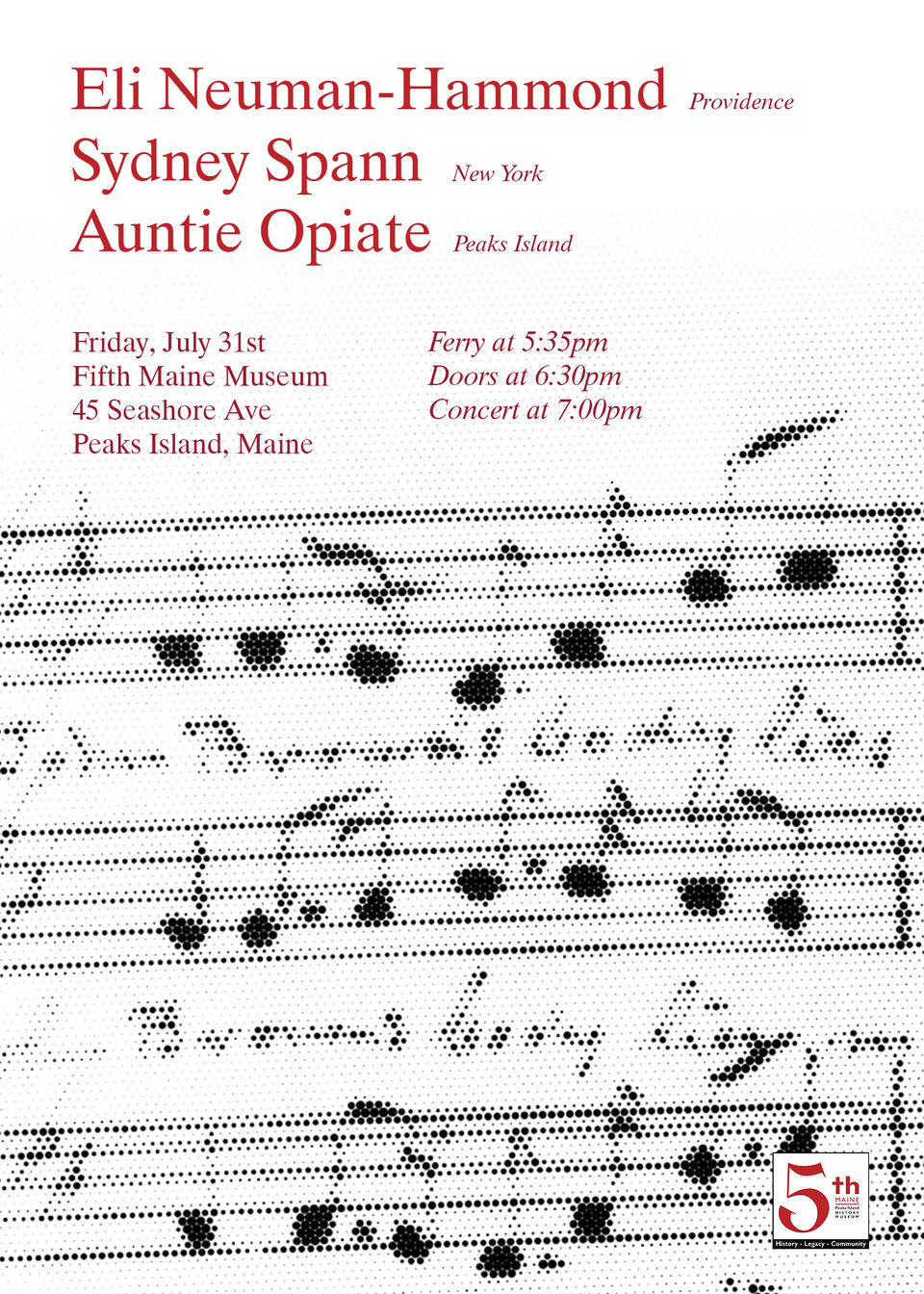
Next Friday July 31st I’ll be playing a concert at the Fifth Maine Museum on Peaks Island, a short ferry ride away from the city of Portland. It’s a beautiful building constructed by veterans of the union regiment in 1888. They were famed for having captured 5 confederate flags during the war. My dear friend Lauren, operations director at the Museum, has organized the evening. It should be a riotous night, with Sydney up from New York and local artist Auntie Opiate opening the show.
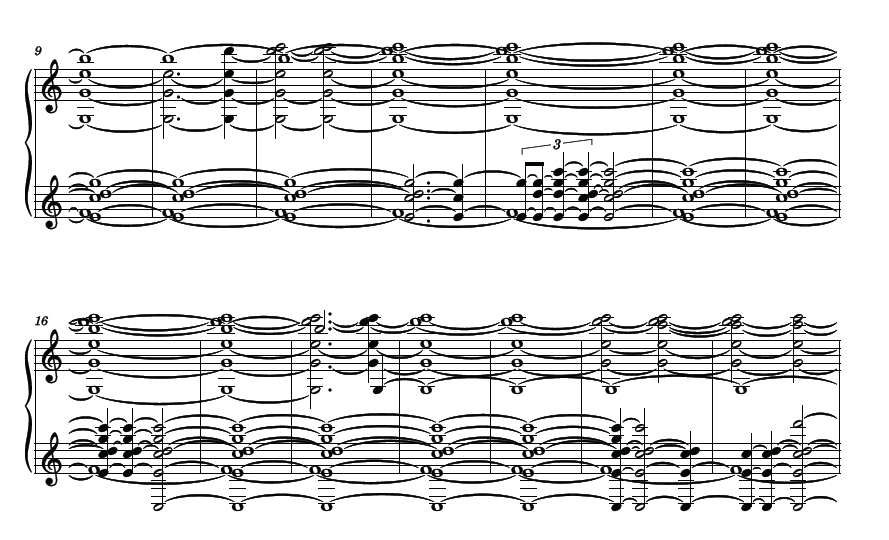
I’ll also have a sculpture installed at the museum on view for the month of August. It is a cradle-shaped music box that plays an arrangement of a melody shared by the civil war song “John Brown’s Body,” its reactionary twin “Battle Hymn of the Republic,” the labor song “Solidarity Forever,” and the hymn “Say Brothers.” It plays this song using a motorized music box movement that takes punched paper, much like a player piano.

The piece is something between a meditation on labor and transmission, the enduring resonance of John Brown, and the rhyming millennial thought and praxis of the shakers. The cradle is loosely based on an image of a cradle from John Brown's farm in Elba, New York, along with Shaker designs from the era. Cradles are sites of rest, as well as sites of transmission. A child hears some of their first music falling to sleep, as their caregiver lulls them into rest. (The lullaby itself a work song.) Primitive American cradles also bear a resemblance to coffins. Death and sleep — and the soul marching on.
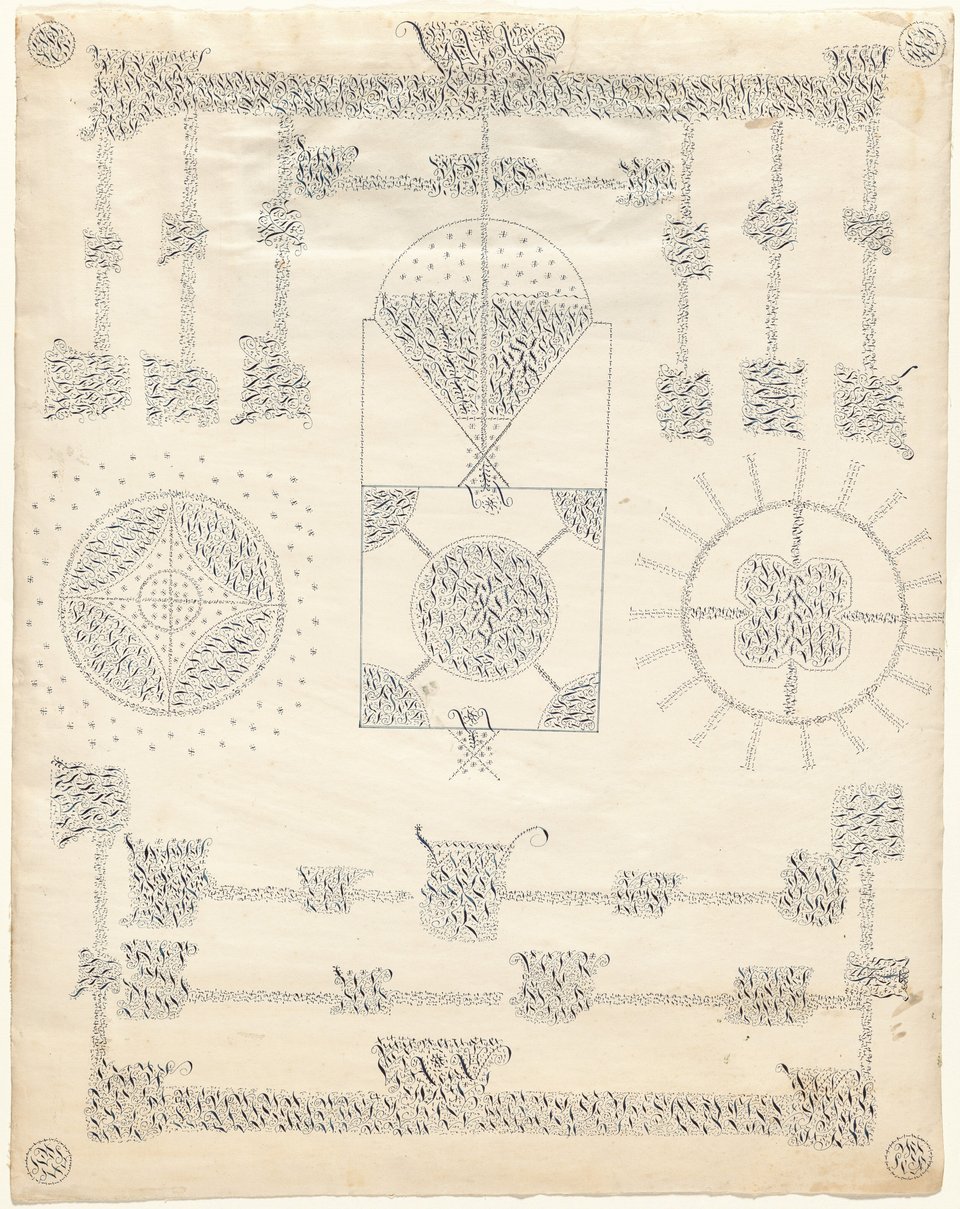
It’s not quite done yet, I am still working on a painting on the actual strip of paper somewhat inspired by the visual language of shaker gift drawings.
The music piece I’ll be playing in Maine also takes this storied melody as its point of departure, drawing explicit connections between two of the songs set to it: "John Brown's Body" and "Solidarity Forever."
There is a strong argument to think both of these as work songs. As a marching song, “John Brown’s Body” helps keep time and coordinate bodies; but it was also formed part of the soundtrack to the Black labor movement which ultimately decided the outcome of the civil war. W.E.B. Du Bois argues in “Black Reconstruction” that the withdrawal of black labor during the civil war is best characterized as a general strike— wherein many slaves fled plantations, took up arms against the slave-holding class, and disrupted the cotton empire to exert the pressure which ultimately won the civil war for the the union army, and used their economic and political capital to wedge open the space for the democratic, emancipatory experiments of Reconstruction.
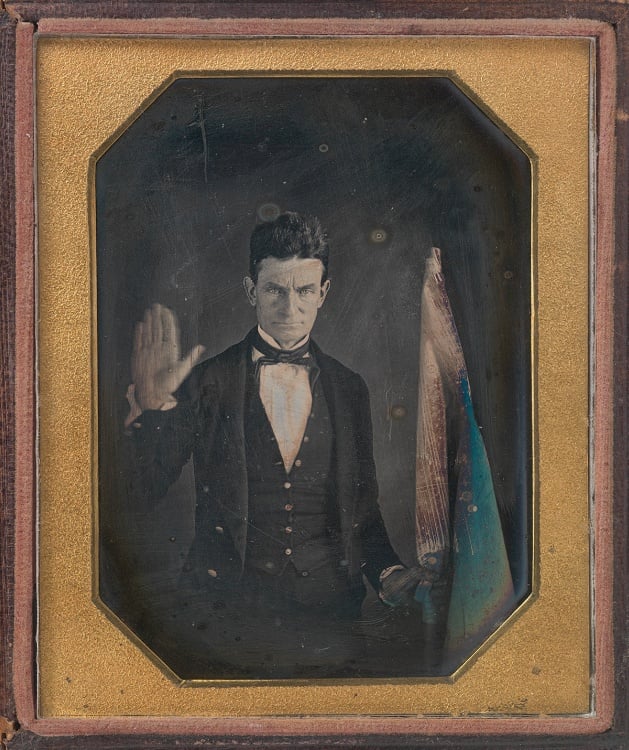
The subject of "John Brown's Body,” however, is the antebellum abolitionist John Brown, who in 1859 led a raid on the federal armory at Harper's Ferry, West Virginia. His plan was to seize weapons and distribute them to enslaved people, a catalyzing a rebellion throughout the South. The raid failed; most of his company was killed, including two of his sons, and Brown was captured, tried, and hanged. Even so, his action is widely understood as a tipping point toward the war that ended slavery.
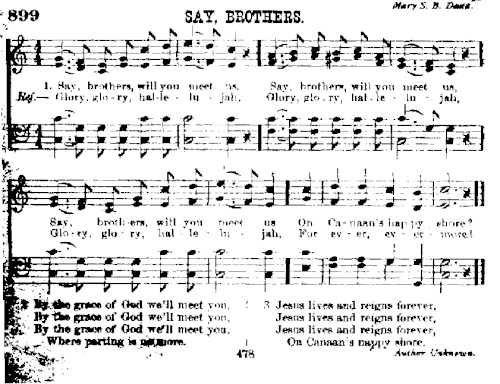
A few years later in 1861, soldiers at Fort Warren in Boston Harbor discovered a sergeant in their ranks who shared the martyr's name. This John Brown was the butt of many friendly jokes; if he slept in and someone asked where he was, they’d get in response “Oh John Brown? Why he’s a-mouldering in the grave!” The soldiers, steeped in the camp meeting revival tradition of communal, improvisatory songmaking, gradually began to set these mocking-affectionate verses about the doppelganger to the melody of the old hymn "Say Brothers,” merging comedy with a deeply rousing invocation of the departed radical abolitionist. This crystallized into the now-familiar lyric, which spread like fire through the Union’s rank-and-file:
John Brown's body lies a-mouldering in the grave / His soul is marching on.
It’s notable that soldiers took this song up well before abolition had become a mainstream position among the Union’s political class.

The melody’s roots are a tangled knot, as folk music tends to be. "Say Brothers" appears in print as early as 1808, in camp meeting songbooks from South Carolina, Virginia, and Massachusetts. Historians trace the melody variously to an African-American wedding song from Georgia, a British sea shanty, and a Swedish drinking song.
Some took offense at the irreverent, brash spirit of “John Brown’s Body.” Julia Ward Howe actually wrote the reactionary "Battle Hymn of the Republic" explicitly to supply "good words for that stirring tune" — a sanitized revision that has since displaced the original in official memory, although it never in the mouths of soldiers or freedmen. Frederick Douglass wrote that Brown "was with the troops during that war, he was seen in every camp fire, and our boys pressed onward to victory and freedom, timing their feet to the stately stepping of Old John Brown."
Shortly after the Union victory in the spring of 1865, a mass grave of more than 250 union prisoners of war was uncovered behind a racetrack in Charleston. On May 1, a parade of freedmen marched through Charleston in their memory. It’s easy to imagine hearing it from a distance: a mass of sweet voices cutting through the cool spring thaw. As you approach Main Street, the singing swells. All at once, a huge mass of human life irrupts, their song pulsing the air in front of them. There are 10,000 people marching, led by a colonnade of 3,000 young Black schoolchildren carrying bouquets of flowers, with John Brown's name on their lips. Their feet send up clouds of ochre dust; the brick facades vibrate with their song. "John Brown's body lies a-mouldering in the grave, his soul is marching on," they sing, marching through the streets of Charleston.
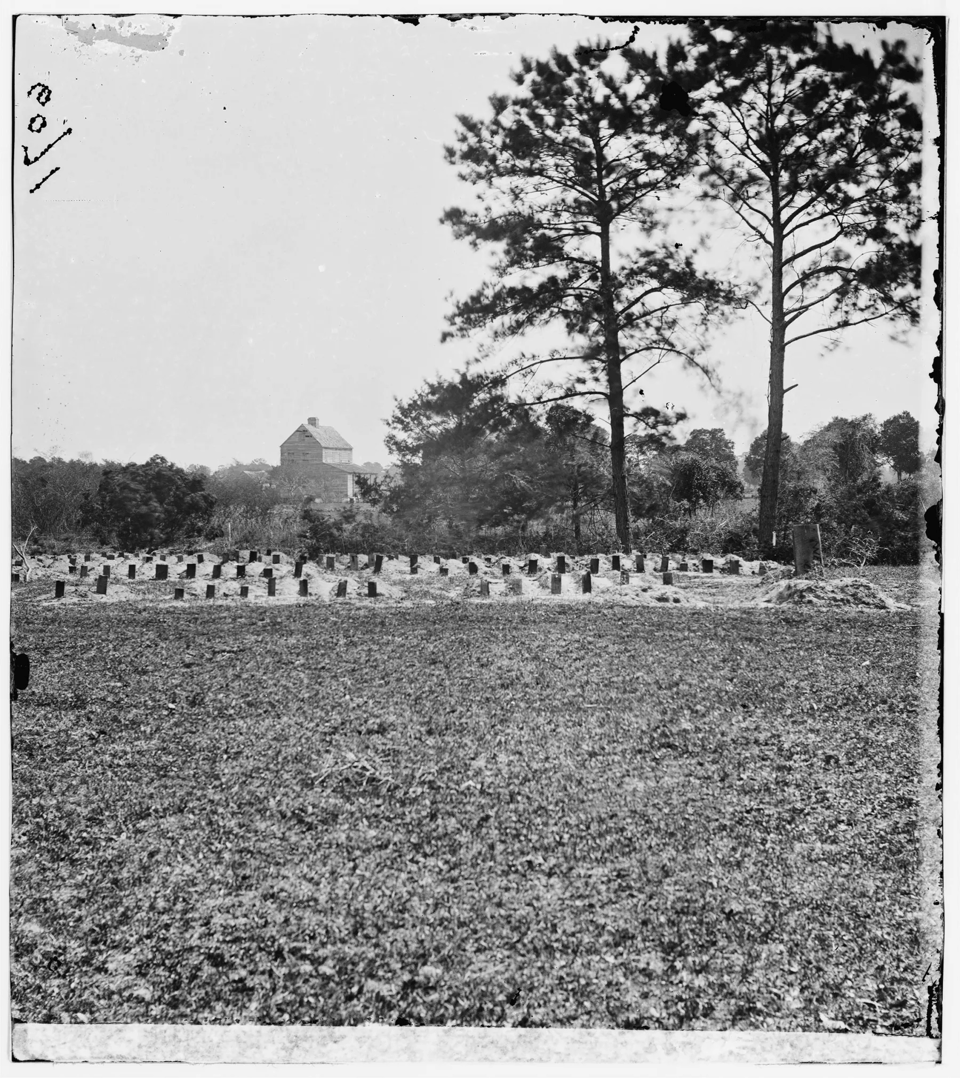
This is considered the first observance of the holiday now known as Memorial Day. To my mind, it's also one of the most spectacular pieces of music ever made, insofar as music is not an idea, or a set of notes, but a fleeting body politic brought together in song.
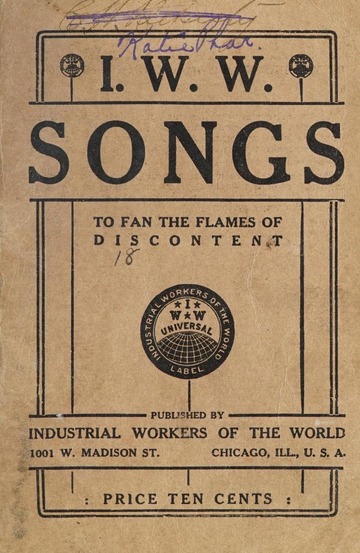
In 1915, labor organizer Ralph Chaplin set new words to the old tune, which channeled John Brown’s revolutionary politics rather than erasing them. "Solidarity Forever" soon became a definitive anthem of the American labor movement. There is an unspoken contract between these two songs, an alloyed message across these movements and decades. The preamble to "Solidarity Forever" reads: "Instead of the conservative motto, 'A fair day's wage for a fair day's work,' we must inscribe on our banner the revolutionary watchword, 'Abolition of the wage system.'" These words echo directly Brown's own commitments to rooting out racialized capitalism through abolition, not accommodation.
I know that Maine is a long drive (and ferry!) for many, but I’ll be very happy to see you there if you can make it!
In other news, I am very happy to share that Sophia and I are getting ready to welcome a new dog into our lives. Her name is Vaca! The shelter can’t seem to decide exactly where she is from, but she’s on her way from Mississipi or Tennessee this Saturday and I can’t wait to meet her. She’s four months old, looks like this, and a six year old in her foster home has been calling her “Cow".

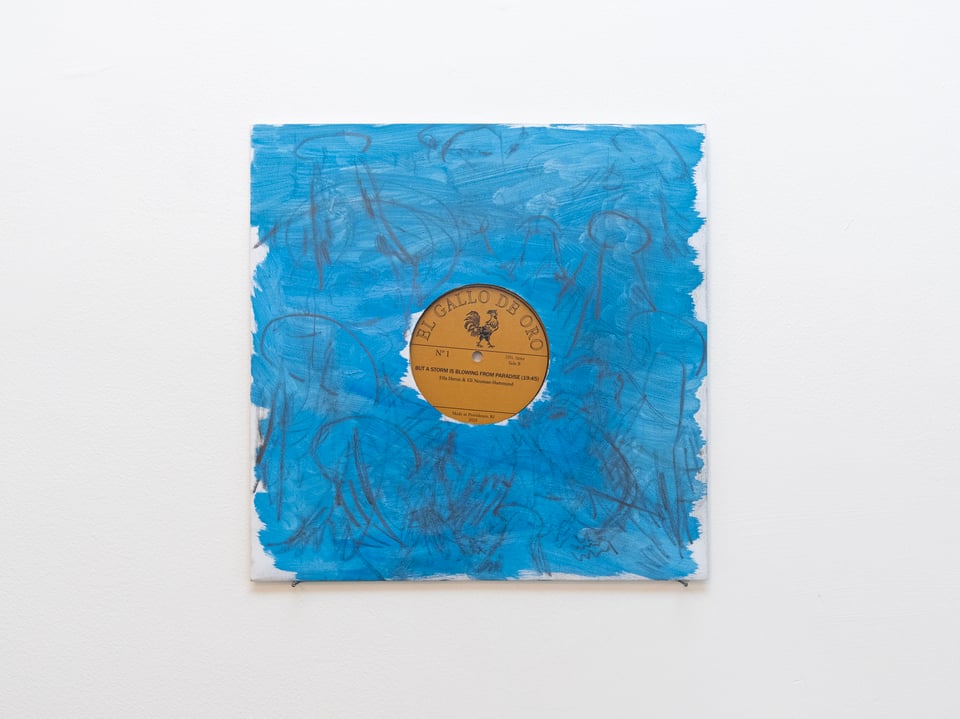
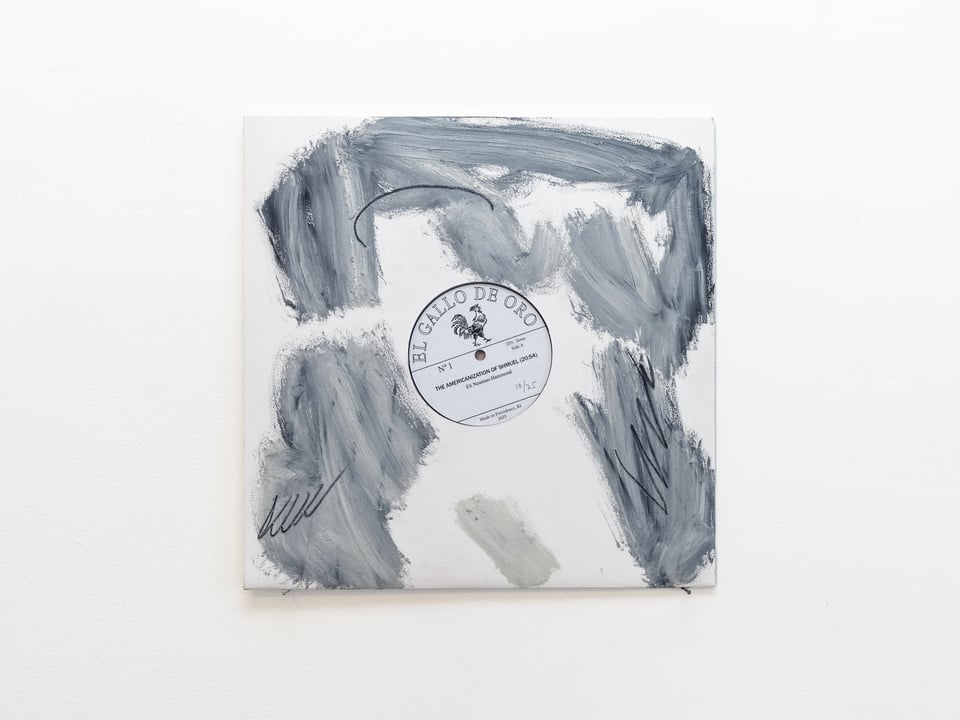
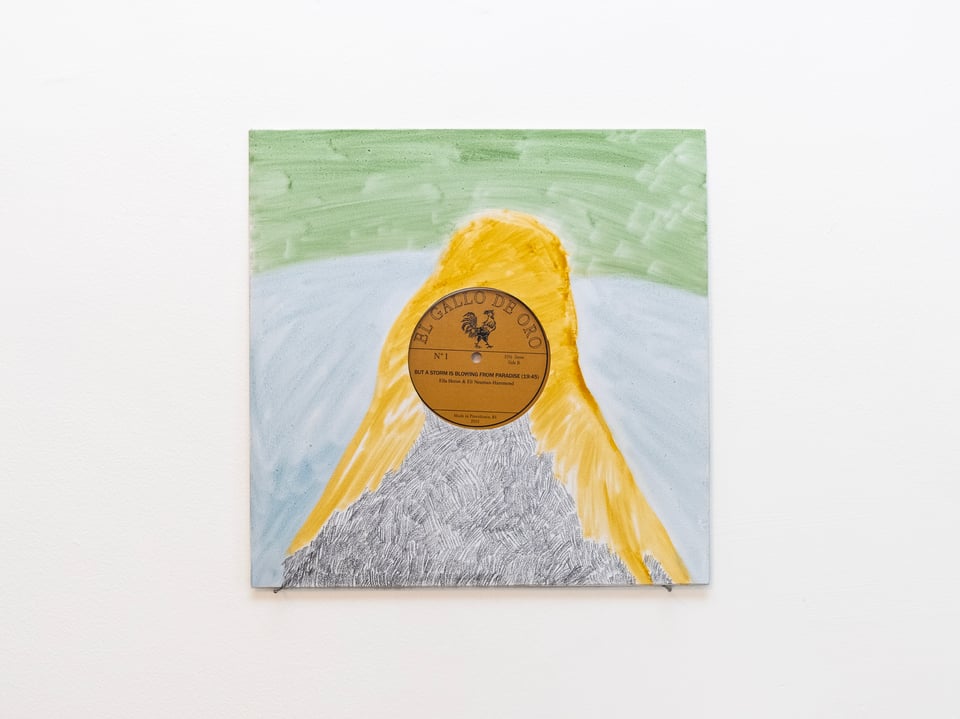
The other thing I wanted to put out there is that I am so grateful to everyone who’s bought one of the records / paintings I made last year. I’ve still got 10 of 25 remaining, including these guys below.
Till soon!
Eli
Some sources on the historical bits..
W.E.B. Du Bois, Black Reconstruction
W.E.B. Du Bois, John Brown
John Stauffer and Ben Soskis, The Battle Hymn of the Republic
David W. Blight, Race and Reunion: The Civil War in American Memory
You just read issue #3 of Eli's Moraine. You can also browse the full archives of this newsletter.